Technology
New Jersey's robotaxi law could effectively block Tesla from the state
Proposed legislation would require fully autonomous vehicles to use multiple sensors including lidar, putting Tesla's camera-only approach at odds with state rules.

The Verge
For years, a fundamental question has shaped the autonomous vehicle industry: can artificial intelligence and cameras alone safely steer driverless cars, or must vehicles rely on additional sensors like lidar and radar for reliable navigation? Tesla has wagered enormous sums on the camera-and-AI approach, while rivals including Waymo have gone a different route by combining cameras with multiple other sensing technologies.
Now New Jersey is attempting to answer the question through legislation.
A first-of-its-kind hardware mandate#
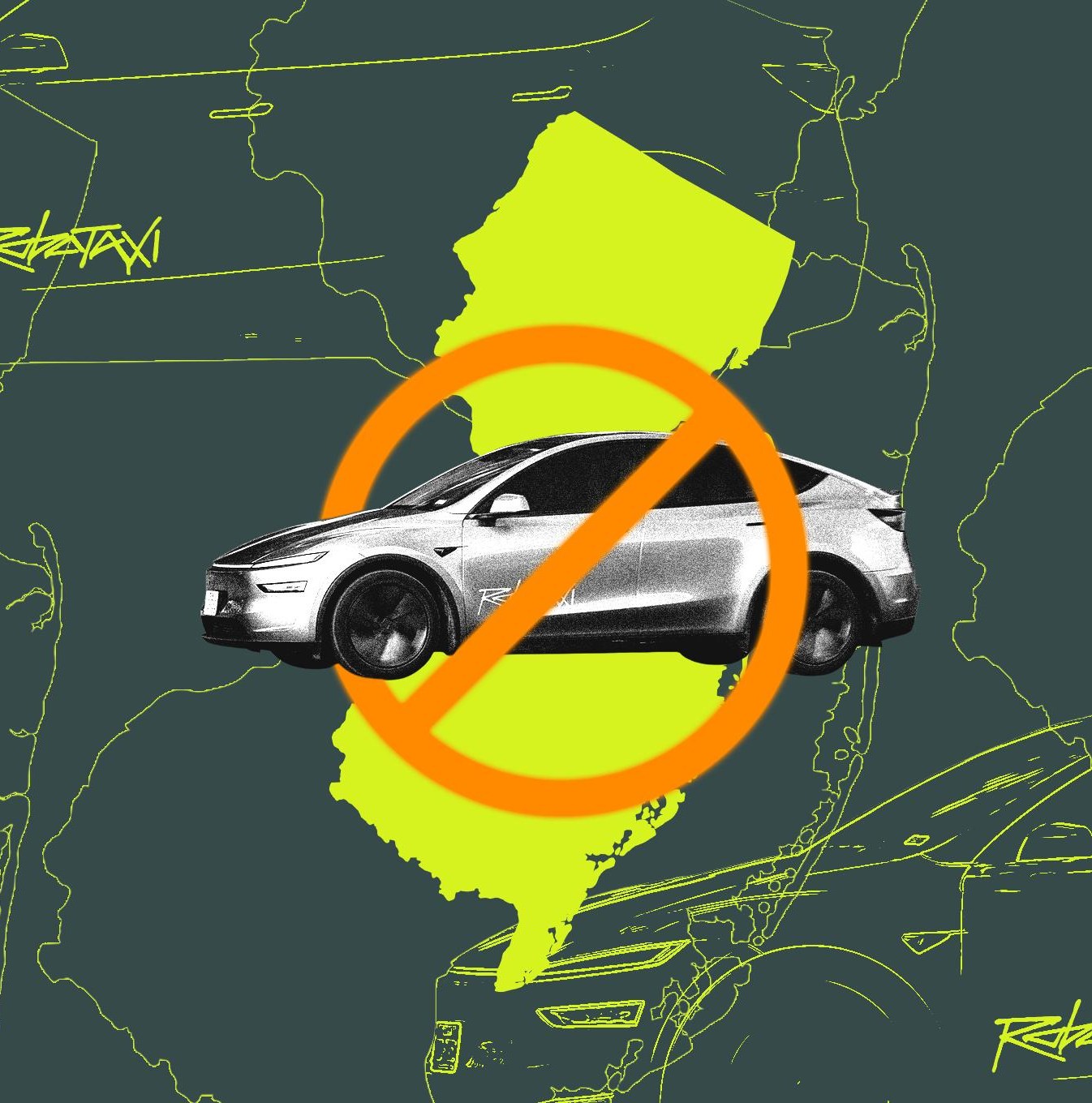
A bill expected to face a vote later this year would mandate that companies operating fully autonomous vehicles in New Jersey equip them with cameras plus two additional sensing systems—typically lidar and radar. If passed, New Jersey would become the first state to embed such technology requirements directly into law. A similar measure is also pending in New York.
The provision would functionally exclude Tesla's robotaxi fleet from operating in the state unless the company overhauled its camera-only hardware architecture. Democratic state Sen. Andrew Zwicker, who sponsors the bill, emphasized the measure is not targeting Tesla specifically but rather prioritizing safety. "I'm pro-New Jersey safety," he said in an interview.
Zwicker, a physicist at Princeton Plasma Physics Laboratory, says he became convinced of autonomous vehicles' potential after riding in a Waymo robotaxi in Phoenix. However, he contends the technology should mature carefully in a densely populated state. "At this point, I don't think the evidence is sufficient that a single sensor with software can handle situations that humans can," he explained.
The sensor philosophy divide#
Tesla's Elon Musk has long maintained that advancing artificial intelligence can replicate human vision through cameras alone, drawing a parallel to how humans navigate using sight. Removing lidar and radar slashes hardware expenses, potentially enabling mass-market robotaxi deployment. Musk has even suggested additional sensors may hinder safety by creating contradictory inputs. "Lidar and radar reduce safety due to sensor contention," he on social media last year.

