Autonomous Vehicles
Waymo targets Singapore for 2028 robotaxi rollout amid push into international markets
The autonomous-vehicle company plans to begin mapping and testing in Singapore next year, with the goal of launching fully driverless ride-hailing service by 2028.

The Verge
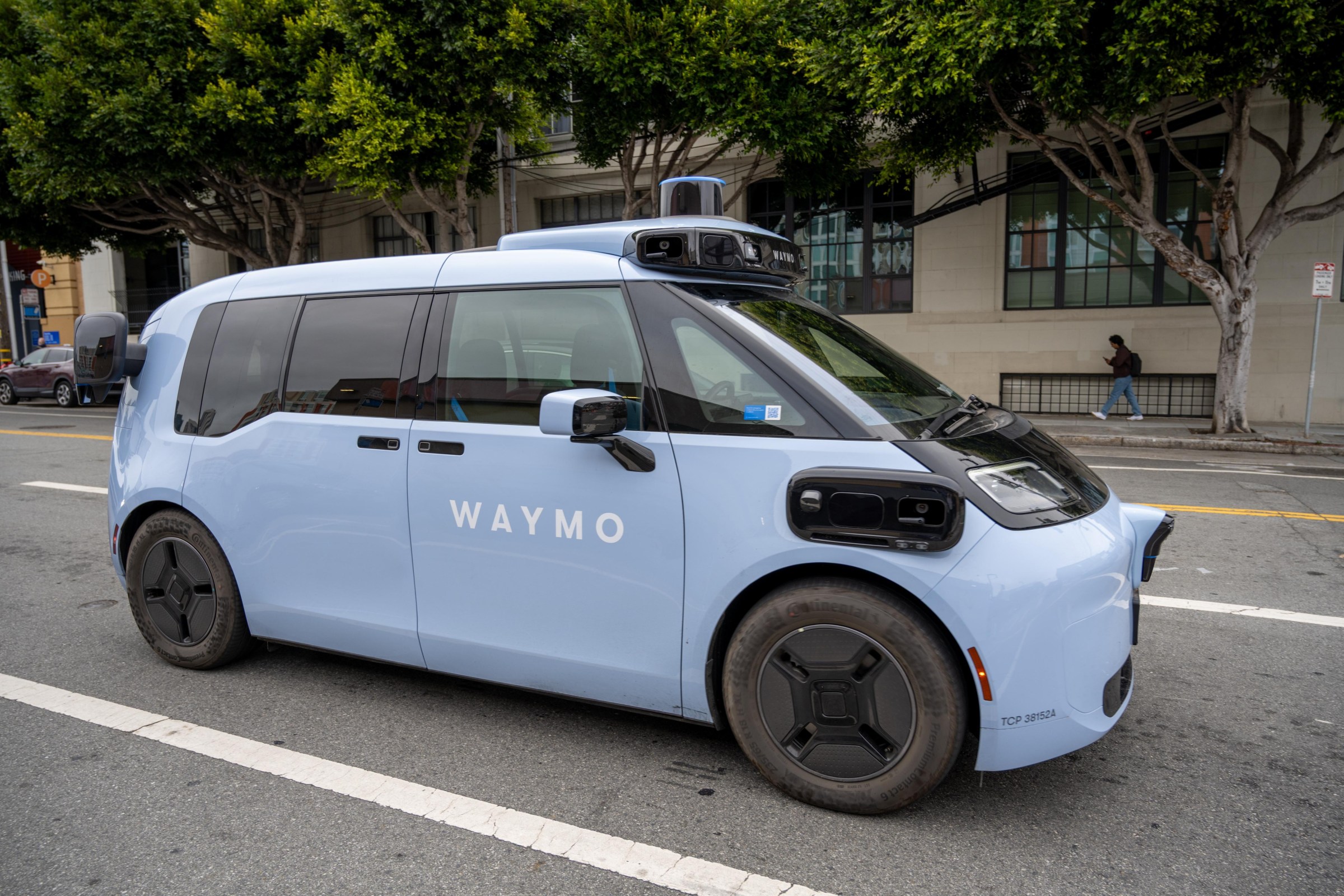
Alphabet's Waymo has announced plans to expand its robotaxi operations to Singapore, expecting to launch a fully autonomous ride-hailing service there by 2028. Vehicles will arrive in coming months to begin mapping work, followed by testing with safety operators behind the wheel throughout 2027.
Regulatory path ahead#
Before passengers can ride in Waymo's cars, the company must secure clearance from Singapore's Land Transport Authority. The city-state maintains strict safety protocols requiring all autonomous vehicles to pass testing at the Centre of Excellence for Testing and Research (CETRAN)—an evaluation framework developed by the LTA and CETRAN in consultation with local traffic police. Waymo has already taken steps toward approval by establishing a Singapore-based corporate entity earlier this year and joining the government's Steering Committee on Autonomous Vehicles.
Why Singapore#
The city-state has emerged as a leader in autonomous vehicle deployment, having already approved self-driving freight services, road-sweepers, and autonomous buses for airport operations. Singapore's robust regulatory infrastructure and progressive approach to transportation technology create an attractive environment for Waymo's expansion.
Growing international footprint#
Singapore joins a growing list of international markets for Waymo. The company expects to begin service in London by the end of 2026, followed by Tokyo in 2027 and Munich, Germany in late 2027—its first European Union market. Meanwhile, in the US, Waymo operates around 4,000 vehicles across roughly 15 cities, with recent announcements of expansion into Nashville, Denver, San Diego, and Las Vegas. However, major American cities including New York, Chicago, and Washington, DC remain off-limits due to regulatory challenges and local opposition. As debate over robotaxis intensifies domestically, Waymo appears committed to aggressive international growth.