Autonomous Vehicles
Tesla's camera-only Cybercab faces real-world scrutiny as it launches without lidar
Elon Musk's stripped-down autonomous vehicle now confronts the regulatory and safety challenges he's long dismissed—and rival operators are moving faster with multi-sensor approaches.

The Verge
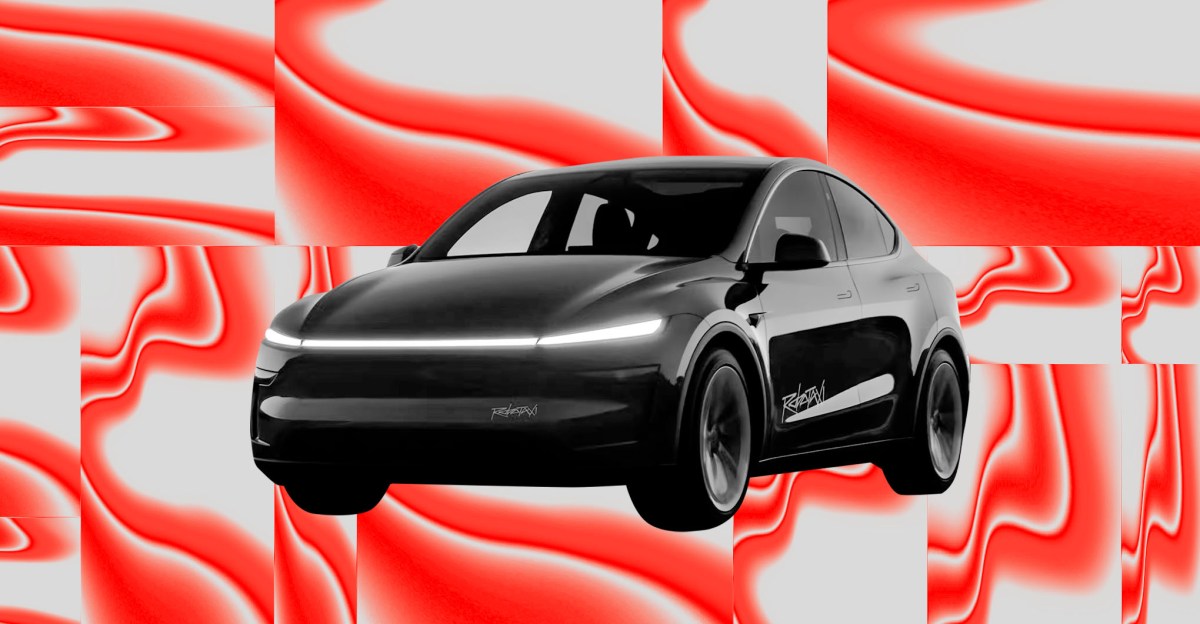
Tesla's much-anticipated Cybercab is now running as a robotaxi service in Austin, Texas. The sleek, steering-wheel-free vehicles represent Musk's radical bet that cameras alone—without lidar, radar, or traditional controls—can deliver safe, profitable autonomous driving at scale. But that unconventional approach faces mounting pressure from competitors, regulators, and public skepticism.
The camera-only gamble#
For years, Musk has rejected what he calls "conventional wisdom" in self-driving. In 2019, at Tesla's investor-focused Autonomy Day, he dismissed lidar—the spinning light-beam sensor used by nearly every autonomous vehicle competitor—as "a fool's errand" and "doomed." Cameras, he argued, mimic how humans see and drive.
Tesla took that philosophy to its extreme: it removed radar from its vehicles in 2022, despite engineer pushback on rain and glare vulnerabilities. The Cybercab doubles down, stripping away steering wheels, pedals, and mirrors entirely to minimize production costs.
The cost advantage is real. Vehicles without lidar and traditional controls are cheaper to manufacture, supporting Musk's claim that Cybercabs could eventually sell for less than $30,000. But that affordability comes with hidden trade-offs.
Why cameras alone have limits#
Cameras produce only two-dimensional images. Tesla compensates with computer vision and neural networks to approximate depth and distance—a computationally complex workaround vulnerable to sunlight glare, rain, snow, and fog. Multi-sensor systems like Waymo's use lidar and radar to provide independent data streams that compensate when one sensor fails.
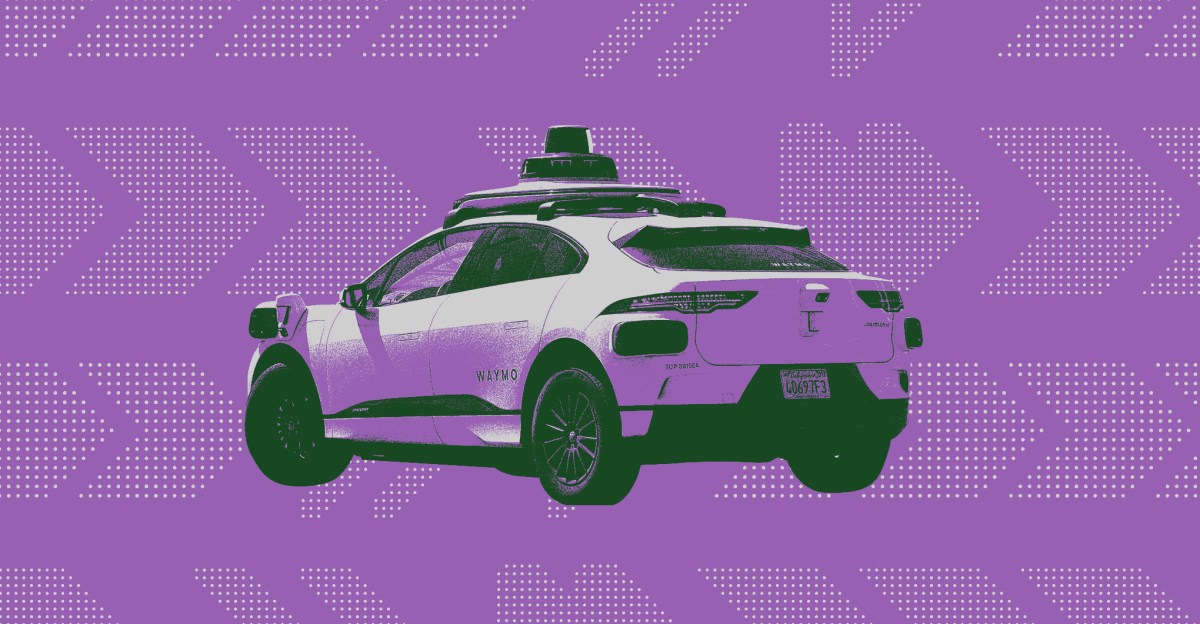
Waymo co-CEO Dmitri Dolgov recently noted that while cameras have improved, "weak sensing just leads to a safety curve that flattens out way too early" if the goal is to exceed—not merely match—human driving performance. Waymo operates roughly 4,000 fully driverless vehicles across up to 14 U.S. cities using precisely the sensor-rich approach Musk scorned. The company hasn't slowed down; in fact, it's accelerated.
Regulatory and operational hurdles#
The Cybercab's lack of steering wheels triggers a major regulatory requirement: federal safety exemptions. Tesla must also secure a California DMV permit for fully driverless operation—and demonstrate proven safety, which the company has not publicly done.
Without traditional controls, remote operation becomes the critical failsafe. Tesla has installed Starlink satellite connections in all Cybercabs to maintain connectivity if vehicles malfunction. Teleoperation may work occasionally, but it's an unreliable long-term solution compared to traditional mechanical backups.