Autonomous Vehicles
Tesla's driverless Cybercab feels impressive but oddly unreliable in early Austin rides
The steering-wheel-free robotaxi delivers a glimpse of autonomous transport's future, yet struggles with erratic driving logic and awkward drop-offs.

The Verge
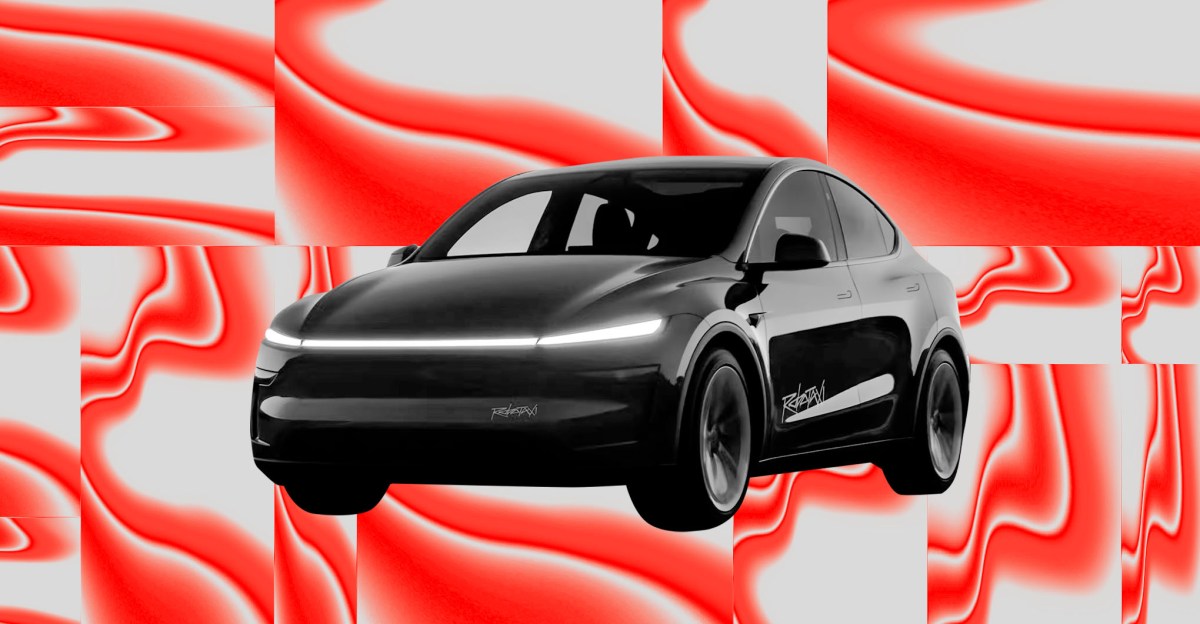
Tesla has begun offering commercial rides in its sleek, steering-wheel-free Cybercab across a limited zone in Austin, Texas. The service reveals both the promise and the rough edges of purpose-built autonomous vehicles—machines designed from the ground up for self-driving rather than retrofitted with the technology as an afterthought.
The ride experience: smooth but jittery#
A trial of three Cybercab journeys around Austin totaling roughly an hour revealed a vehicle that oscillates between impressively autonomous and disconcertingly uncertain. The two-seat interior—minimalist gray fabric, no pedals or wheel—feels spacious for public transit. A large center screen displays real-time 3D renderings of the surroundings and doubles as an entertainment portal, letting passengers stream videos or play games via PlayStation controller.
Moment to moment, the ride is smooth and comfortable, with legroom advantages over traditional taxis. The vehicle accelerates and decelerates predictably. Yet the software's decision-making often seems tentative. Windshield wipers activated on a sunny 95-degree day. When crossing an underpass on a familiar route, the Cybercab drifted into a left-turn lane that would have forced an unexpected highway exit, only correcting course after several seconds. These aren't catastrophic errors, but they suggest the navigation lacks full confidence.
Wait times and price#
Booking a Cybercab via Tesla's Robotaxi app means preparing for delays. A 15-minute, $15 ride showed an estimated wait of over an hour; the actual wait was 45 minutes. Subsequent bookings ran 40 and 25 minutes. Fares across the three trips ranged from $15 to $21—competitive with base-level Uber pricing but not a bargain given the extended wait.
Design charm meets usability problems#
The vehicle's aesthetic is unmistakable: gold paint, Blade Runner-inspired styling, and oversized wheel coverings make Cybercabs instantly recognizable. The butterfly-style doors open via a tap on the mobile app, solving issues that plague Model Y owners, though some passengers have reported the doors opening with enough force to strike their bodies. No side mirrors are fitted—a design choice that creates a claustrophobic feel, especially for occupants in the front seats. Those accustomed to checking mirrors while traveling feel visibly handicapped by their absence.