Military Technology
Ukraine destroyed Russia's Kerch Bridge using mesh-network drones, bypassing Starlink constraints
Ukrainian forces brought down a key section of Putin's strategic bridge using an improvised airborne relay network—a tactic that sidesteps dependence on satellite-based targeting systems.

Ars Technica
Ukrainian forces successfully collapsed one of two major steel arches supporting the Kerch Strait Bridge's vehicle roadway across two nights in mid-November through a coordinated assault combining drones and cruise missiles. The strike was notable not just for its scale, but for how Ukraine achieved it—employing a creative relay-based communications system that eliminated the need for military-grade Starlink connections to guide ordnance across contested Russian airspace.
The Attack and Technical Innovation#
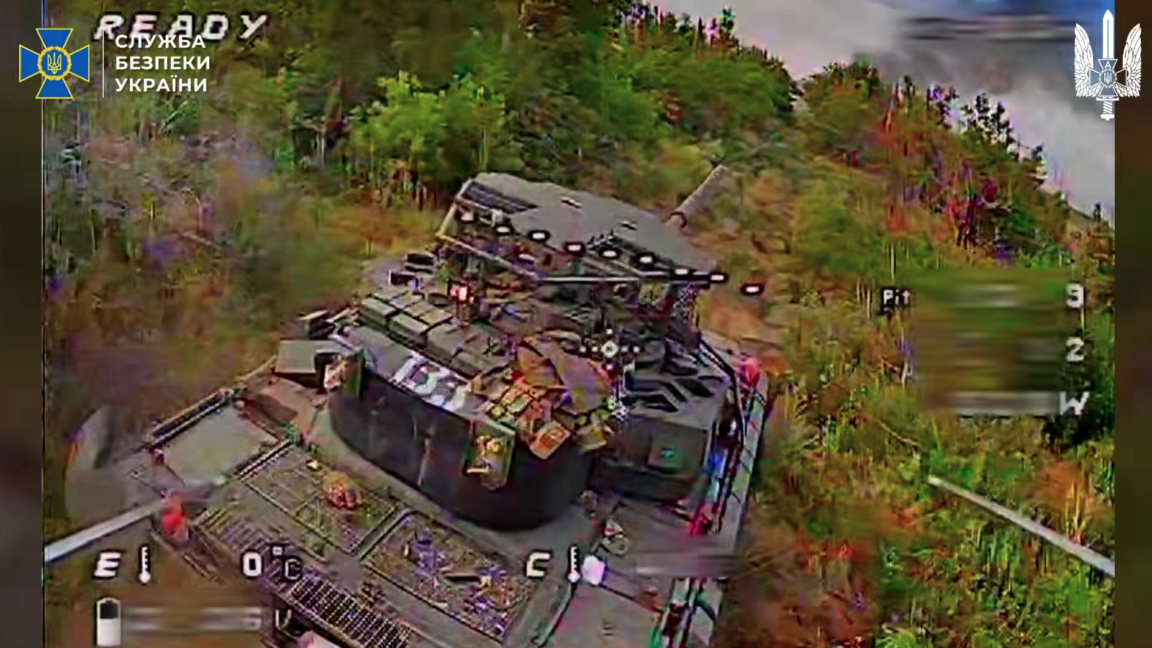
Waves of drones overwhelmed Russian air defenses on November 15 and 16, clearing the way for precision strikes that included Ukraine's domestically produced Flamingo cruise missile. Rather than relying on centralized satellite links, Ukrainian operators deployed mesh-networked drones—each equipped with radio nodes that relay signals between commanders and their strike platforms. This airborne relay network allowed operators stationed over 250 kilometers away to maintain real-time contact with outbound missiles and drones, steering them through air defenses and toward the bridge's structural weak points.
The technique itself was not new; Russia had already pioneered the mesh-radio approach to support its own long-range drone and missile campaigns. Ukraine's adaptation and application against such a fortified target demonstrated the method's military utility at scale.
Months of Preparation#
The November assault did not occur in isolation. Ukrainian forces had spent weeks prior degrading the Russian air-defense ecosystem protecting the bridge—systematically neutralizing or damaging radars, air-defense systems, and electronic-warfare equipment. This preparatory campaign eroded Russia's ability to intercept incoming threats. The timing of the bridge operation coincided with Ukraine's largest overnight drone attack on Russian territory since the war's full-scale start, compounding the strain on Russian defenses across a vast front.
Significance#
The operation illustrates how Ukrainian forces continue to innovate and adapt battlefield tactics—taking an adversary's own innovations and turning them to their advantage. The reliance on mesh-networked drones rather than satellite infrastructure also suggests Ukraine is finding ways to operate at distance without depending on external systems that might face political or technical restrictions.