Wearables
Pixel Watch 5 leans on AI and health features rather than hardware upgrades
Google's latest wearable pushes Gemini offline capabilities and novel health tracking—insulin resistance trends, breathing emergency detection, and AI-improved GPS—while the physical design remains largely unchanged.

The Verge
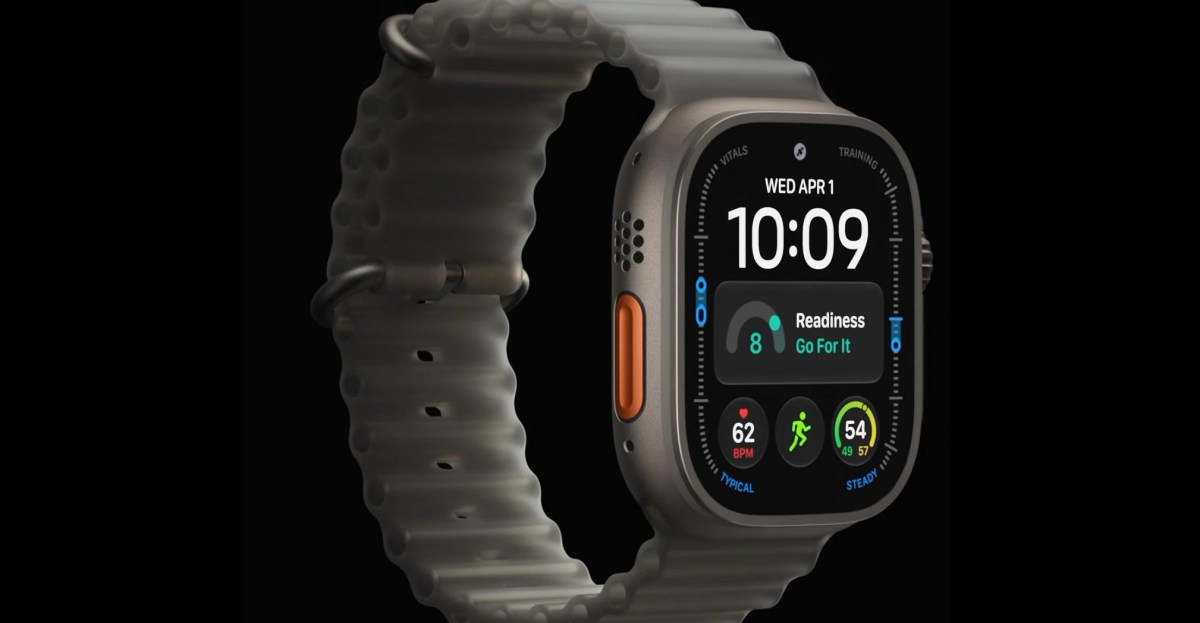
Google's Pixel Watch 5 ($399) represents an iterative hardware refresh dressed up in software ambition. The satin pyrite case and new strap colors offer visual variety, and a Qualcomm processor bump provides modest speed gains, but the real story lies beneath the surface in a $50 price increase and a slate of AI-driven and health-focused capabilities.
Software Takes Center Stage#
Rather than major hardware changes, this year's updates arrive primarily through software enhancements. Offline Gemini functionality now lets users handle basic tasks—setting timers, launching apps—without an internet connection, though performance lags noticeably compared to cloud-connected use. The assistant has grown more proactive, suggesting relevant actions like checking calendar availability when a text inquiry arrives. A new watchface icon delivers real-time data streams for timers, ride-sharing ETAs, and active workouts, while AI-generated watchfaces allow users to create custom designs, quirks and all.
Pinch gestures and wrist-flick controls, introduced via software update last December, are now fully integrated into WearOS 7's interface for smoother navigation.
Health Features: The Real Innovation#
Health tracking dominates the feature list, with several notable additions launching over the coming months.
Breathing Emergency Detection extends last year's Loss of Pulse feature by monitoring blood oxygen saturation (SpO2). If the watch detects a severe, sustained drop to around 83 percent, it can trigger automatic emergency service calls and alerts to designated contacts. The system uses heart rate, motion, and altitude data to avoid false alarms and disables during sleep to prevent sleep apnea confusion. This feature debuts in Europe and awaits FDA clearance in the US, arriving on both Pixel Watch 4 and 5.
Insulin Resistance Trends—a first-of-its-kind for wearables—passively analyzes heart rhythm, sleep, and daily activity patterns to flag whether metabolic stress is climbing month to month. Google validated the algorithm against blood draws and published peer-reviewed research in Nature. Importantly, this is wellness monitoring, not a diabetes screening tool; it offers no direct readings but may help surface early lifestyle-driven metabolic strain.
Blood Pressure Trends uses optical sensors and motion data to estimate whether blood pressure is drifting upward or downward through pulse wave analysis. Like insulin resistance tracking, it provides trend data rather than precise systolic or diastolic numbers.