Games
Gears of War: E-Day launches as Xbox faces organizational crisis
A confident prequel returns to brutal cover-shooter excellence, but arrives amid Microsoft's dramatic restructuring and studio upheaval.

The Verge
Gears of War: E-Day demonstrates remarkable focus on what it wants to achieve: an unapologetic, tense action experience rooted in the franchise's signature close-quarters cover-based combat. Two decades after the original, nothing quite matches the weight and visceral feedback of Gears gameplay, and this prequel proves that formula still resonates. Yet the game's launch arrives during one of the most turbulent chapters in Xbox history, as the platform grapples with sweeping organizational changes.
Setting and Story#
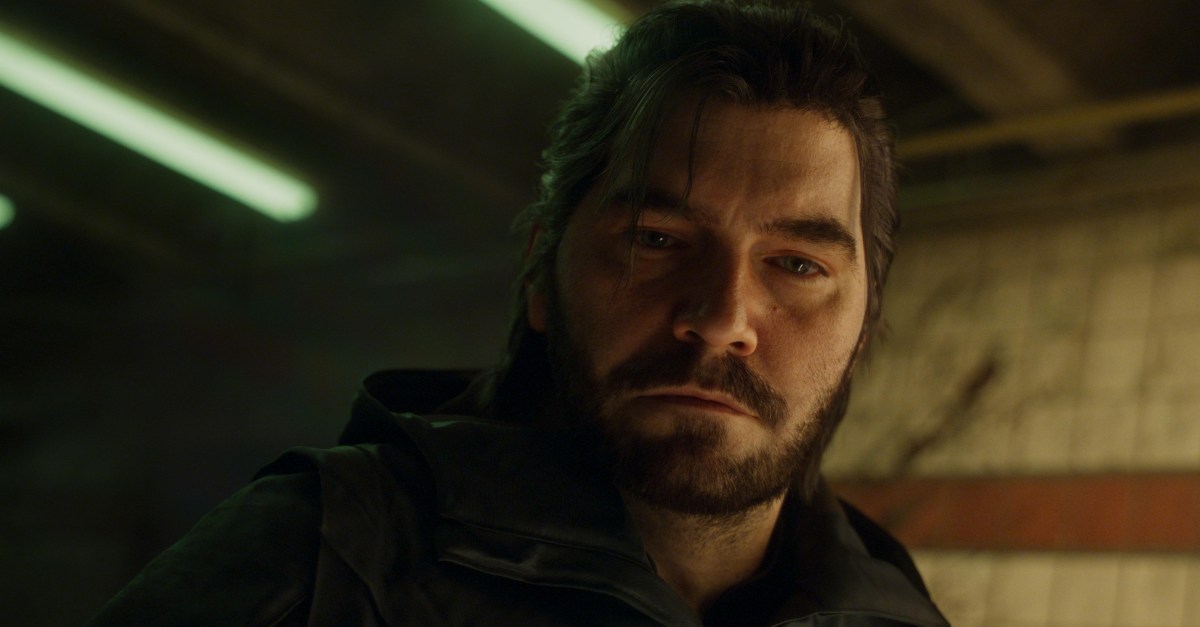
The game takes place 14 years before the events of the original Gears of War, depicting "emergence day"—the catastrophic moment when an underground alien species called the Locust Horde launches a coordinated assault against humanity. Players control a younger version of Marcus Fenix, an elite soldier belonging to the "gears," an armored combat unit deployed when conventional forces fail. Alongside his squad, Marcus confronts the relentless threat as it tears through the planet Sera's infrastructure, forcing humanity to fight back from ground level against a foe emerging from subterranean tunnels.
The campaign transitions the world from a retrofuturistic civilization to devastated ruins, with missions ranging from stronghold assaults to supply-line escorts and survivor rescues. The narrative structure mirrors James Cameron's approach to blockbuster cinema—every element serves the spectacle rather than complex storytelling.
Gameplay and Design#
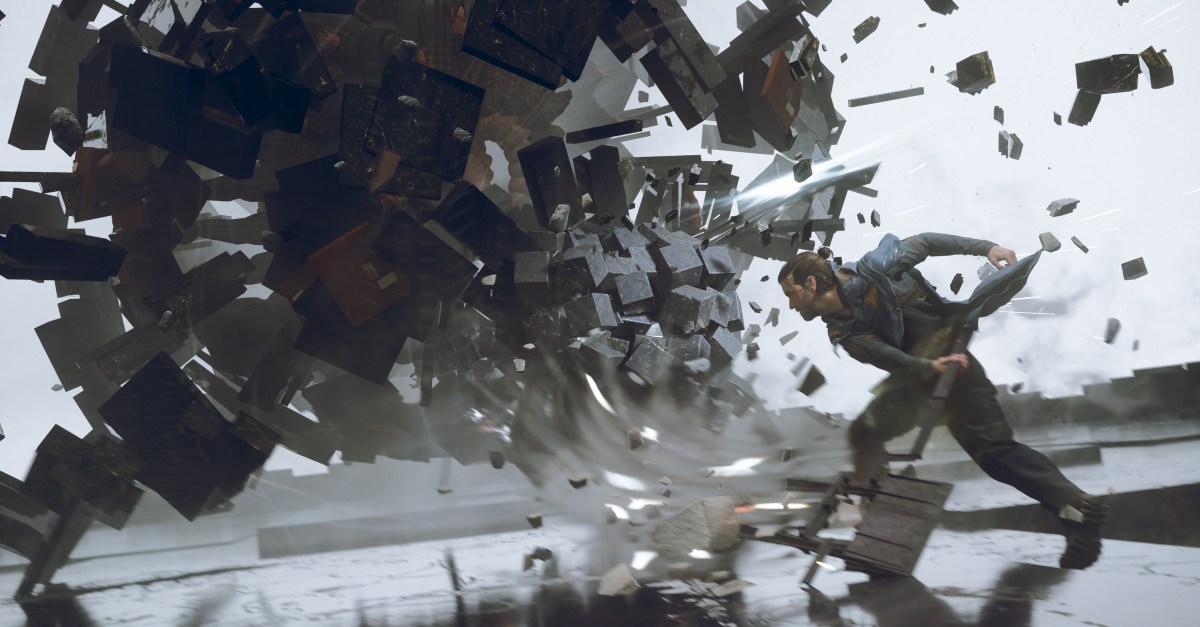
E-Day avoids repetition through pacing and environmental variety. Beyond firefights behind cover, the experience includes sequences where landscapes collapse under alien assault, quieter moments navigating dark tunnels, and eerily tense cemetery sections. The linear campaign maintains relentless momentum without slowing for exploration, while technical execution shines in details like blood splatter patterns and fabric textures on character clothing.
The game embraces its own absurdity. Dialogue prioritizes efficiency over depth, with cutscenes providing just enough character context before diving back into action. The script leans heavily into one-liners—some intentionally ridiculous—delivered during combat as characters dispatch enemies. Lines like "A giant floating ballsack with glowing eyes is trying to kill us!" underscore that the game treats itself as pure entertainment rather than serious drama.