Apple
Apple rolls out iOS 27 and macOS Golden Gate with AI-powered Siri upgrades
The tech giant's latest OS releases emphasize a context-aware Siri rebuild and expanded on-device AI capabilities, alongside design refinements to the company's Liquid Glass interface.

Ars Technica
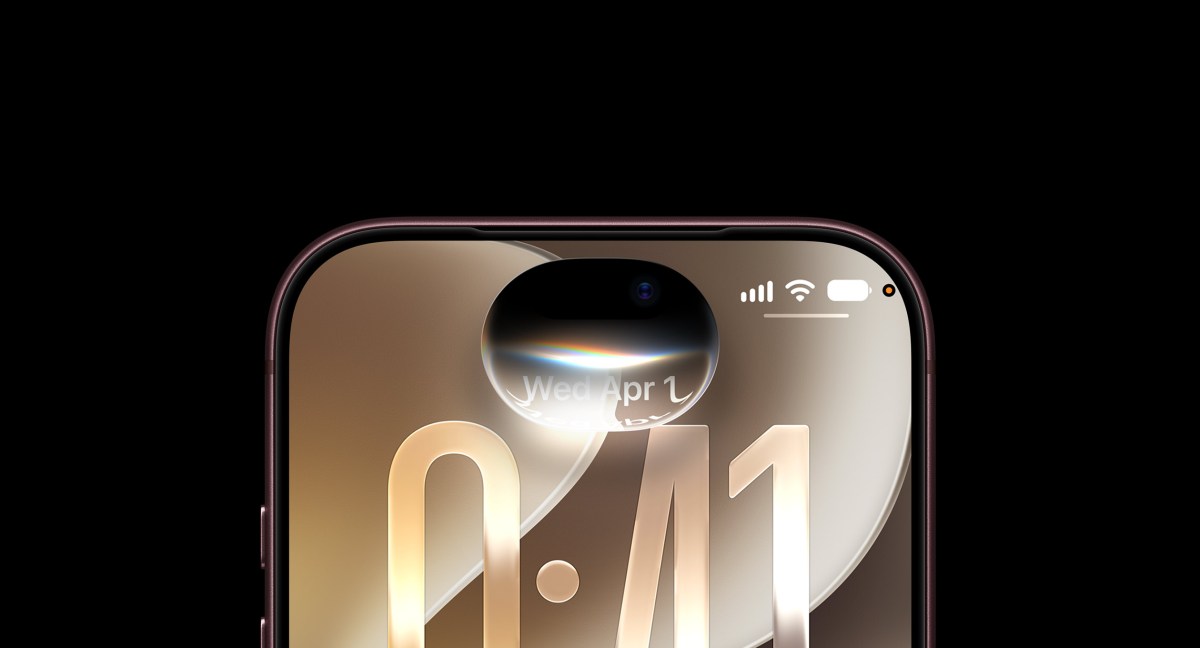
Apple has shipped its 2026 operating system lineup, introducing iOS 27, macOS 27 Golden Gate, watchOS 27, visionOS 27, and tvOS 27. The update cycle centers on Siri AI, a language model-based reimagining of the company's digital assistant that represents the most significant change across nearly all of these platforms.
What's New with Siri#
The overhauled Siri gains a substantial capability upgrade by understanding and responding to natural language in more nuanced ways. Users can ask it to describe what appears on their screen, dig through personal information like past emails and text messages, and execute tasks within compatible apps—provided developers have enabled integration.
Additional AI enhancements include prompt-based automation, where users can generate Shortcut workflows or Safari extensions by simply describing what they want. Photo editing has likewise gained algorithmic assistance, and Apple has bundled these features under its "Apple Intelligence" umbrella.
The assistant now has its own dedicated app, mirroring the experience of standalone AI tools like ChatGPT and Claude.
Under the Hood#
The AI backbone consists of proprietary models branded as AFM 3. On users' devices, a lightweight 3-billion-parameter version (AFM 3 Core) runs everyday requests, while a more capable 20-billion-parameter variant (AFM 3 Core Advanced) uses selective activation—firing only 1 to 4 billion parameters per query to balance power and efficiency. For heavier lifting, Apple deploys server-side models (AFM 3 Cloud, ADM 3 Cloud Image, and AFM 3 Cloud Pro).
Design Updates#
Both iOS and macOS now let users tune the Liquid Glass aesthetic through a transparency slider, giving them control over how much of the translucent design language appears throughout their interface.
On macOS, Apple has made incremental refinements to address user feedback accumulated since Liquid Glass launched. The changes are largely iterative polish rather than visual departures, though they address longstanding requests for usability adjustments.