Transportation
Tesla's Cybercab launch sparks questions about hype versus reality
Tesla unveiled its driverless Cybercab at a closely controlled event in Texas, but widespread skepticism about the company's autonomous vehicle timeline and promises remains.

The Verge
Tesla rolled out its two-seat Cybercab robotaxi at a private event in Austin on Tuesday, marking a significant step for Elon Musk's push into autonomous vehicles. Yet the controlled nature of the launch and Tesla's track record of broken self-driving promises cast doubt over whether this moment represents genuine progress or the latest in a pattern of overhyped announcements.
A Tightly Controlled Announcement#
The unveiling stood out for its subdued nature. Unlike major tech product launches, Tesla held no livestream and limited attendance to pro-company influencers bound by non-disclosure agreements. This approach drew criticism from parts of the Tesla fan community itself, with industry watchers noting the company appeared more focused on managing its narrative than generating organic excitement.
Tesla currently operates 45 registered Cybercabs in Texas through the Department of Motor Vehicles, though the number slated for immediate commercial deployment remains unclear. Pro-Tesla social media accounts attempted to generate interest by live-tracking the vehicles' movements, while the company launched a dedicated website with ridership rules — notably barring children under 13 from using the service.
The Vehicle and Its Competition#
The Cybercab is a lightweight, camera-based autonomous vehicle with gullwing doors and no traditional steering wheel, pedals, or mirrors. It relies on eight cameras rather than radar or lidar sensors that competitors use. At roughly 3,100 pounds and equipped with a modest battery pack, it's the lightest vehicle Tesla has produced to date.
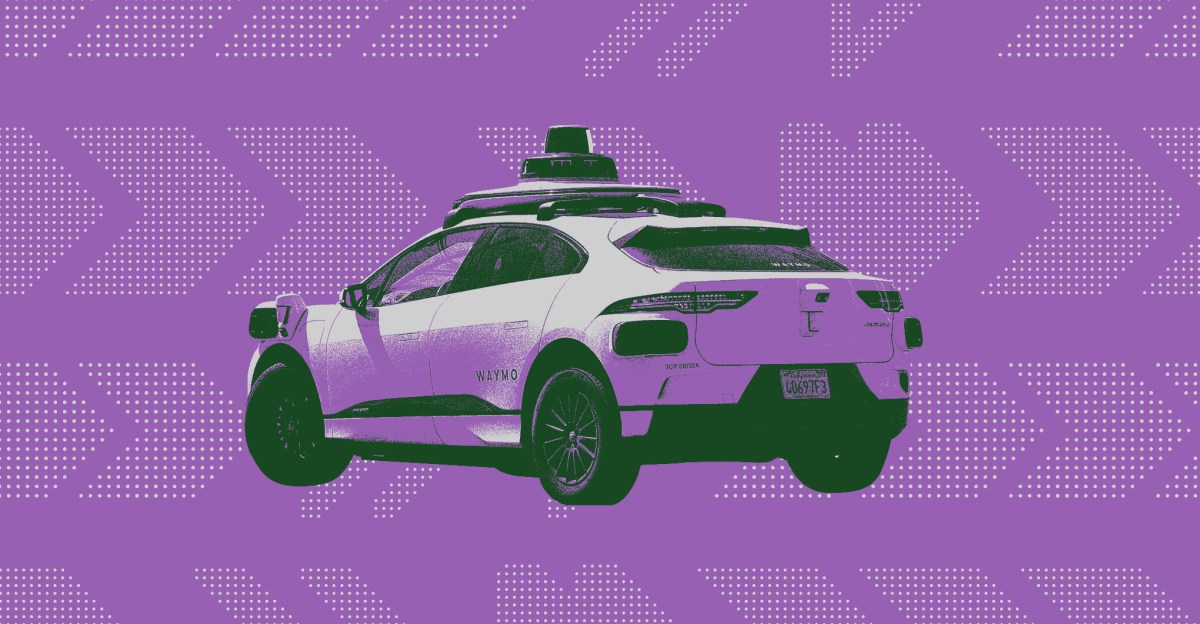
Tesla now operates about 256 driverless vehicles across six cities. By contrast, Alphabet's Waymo operates approximately 4,000 robotaxis in 14 cities, highlighting the significant gap in deployment scale between the two companies.
Years of Unfulfilled Promises#
Musk's autonomous vehicle timeline has repeatedly slipped. Two years ago, he suggested the Cybercab might cost as little as $30,000, yet the company has offered no target purchase date. Earlier this year, Musk projected that unsupervised Full Self-Driving would reach customer vehicles by the end of 2026 "at the earliest," citing challenges with complex intersections and poor road markings — a far cry from promises made in 2016 that all Tesla vehicles produced from that point forward would possess self-driving capability.
Tesla's $99-per-month Full Self-Driving feature remains a Level 2 driver-assistance system requiring constant human attention, not true autonomous driving. The company faces multiple lawsuits from customers and regulators over misleading self-driving claims.