Transportation
Tesla launches Robotaxi service in Florida cities amid growth questions
Tesla announced its autonomous ride-hailing service is now available in Orlando and Tampa, but skeptics point to a shrinking fleet and operational inconsistencies.

The Verge
Tesla said it is rolling out its Robotaxi service to Orlando and Tampa, marking a geographic expansion that the company highlighted on X just hours before its earnings presentation. The announcement came with service area maps for each city but offered no details on how many vehicles would operate there or how customers could access the service.
Earnings-day timing raises questions#
The timing of the expansion mirrors Tesla's regular practice of tacking announcements onto financially significant dates. During today's second-quarter earnings call, CEO Elon Musk is widely expected to detail progress on the Robotaxi program, and the addition of two Florida cities provides the company with a narrative of expansion to present to investors.
That narrative, however, masks a more complicated reality. Tesla's autonomous vehicle fleet has been far smaller and more unstable than Musk's earlier promises suggested. In 2024, Musk stated the service would be available to half of America by year-end 2025; months later, he revised his ambition downward, pledging 500-plus unsupervised vehicles in Austin alone by the same deadline.
Fleet numbers tell a different story#
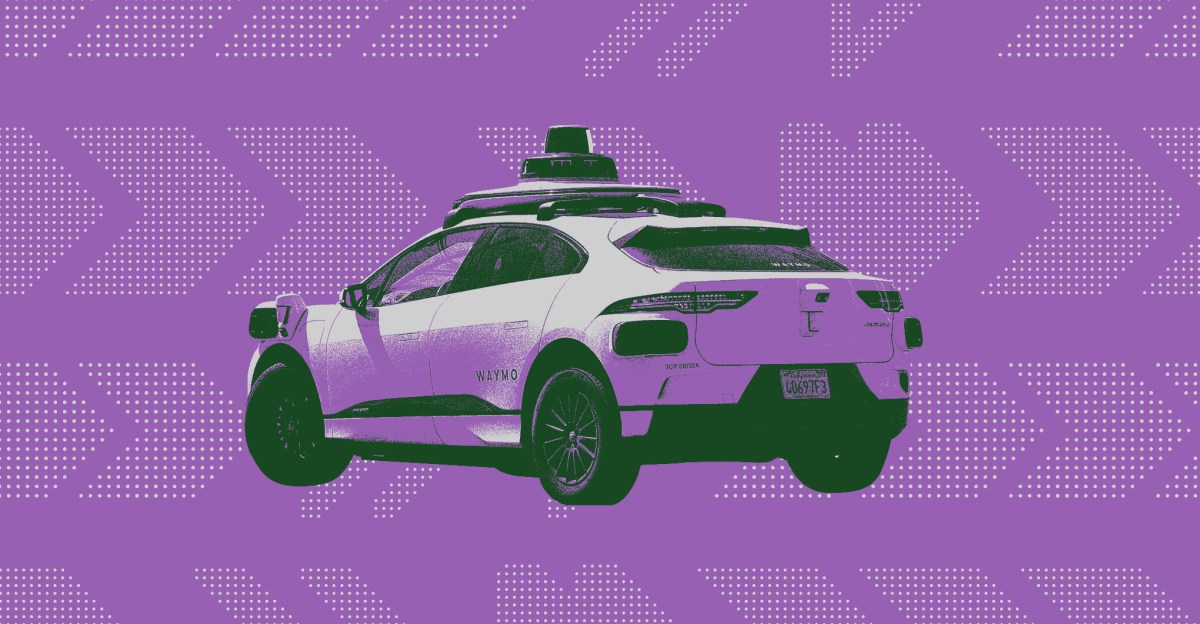
Actual deployment figures have moved in the opposite direction. According to the Robotaxi Tracker, Austin's unsupervised fleet declined from 29 vehicles in May to just 17 today. Dallas dropped from five to four, while Houston fell from six to zero. By contrast, Waymo operates more than 3,500 fully autonomous vehicles across over a dozen cities, giving it a roughly 200-fold advantage in scale.
Tesla has also been erratic in how it deploys robotaxis. The company sometimes starts new markets with a safety driver at the wheel, other times places that person in the passenger seat with emergency control, and occasionally runs unsupervised vehicles that are remotely operated by human technicians. The company offers little public explanation for these shifts.
Operational challenges persist#
Users report frequent delays due to limited vehicle availability, misrouted pickups and dropoffs, and heavy reliance on remote operation. This week, Tesla disclosed that one of its unsupervised robotaxis was being remotely piloted when it crashed into a tree stump. Musk has projected the service will become profitable by 2027.