Quantum Computing
New Framework Distinguishes Software Bugs from Hardware Noise in Quantum Processors
Researchers combine machine learning with physics constraints to identify whether quantum computing errors stem from buggy code or inherent device limitations.

Quantum computers are growing in size, but identifying the root cause of their errors—whether a problem lies in the software design or the physical hardware itself—remains a significant challenge. A new research effort tackles this diagnostic problem head-on.
The Core Challenge#
As quantum systems expand beyond 100 qubits, the noise inherent to quantum hardware becomes harder to distinguish from actual mistakes in circuit design. When a quantum computation fails to produce the expected result, operators face a critical question: Did the algorithm contain a logical flaw, or did quantum noise corrupt the execution? Answering this question is essential for applying error correction techniques effectively, since correcting a broken circuit is pointless if the problem is conceptual rather than environmental.
A Hybrid Approach#
The research introduces a neuro-fuzzy diagnostic framework that merges adaptive machine learning with grounded physical principles. The method leverages ANFIS (Adaptive Neuro-Fuzzy Inference Systems)—a hybrid model that combines neural network flexibility with fuzzy logic reasoning—and enriches it with hand-crafted features derived from quantum physics.
A key innovation is the Bhattacharyya Veto, a hard constraint anchored in experimentally measured noise characteristics of the device. This safeguard prevents the classifier from attributing physically impossible output patterns to noise alone, ensuring one-sided soundness: if the system flags an error as noise-induced, that determination is guaranteed to be valid.
Results and Real-World Testing#
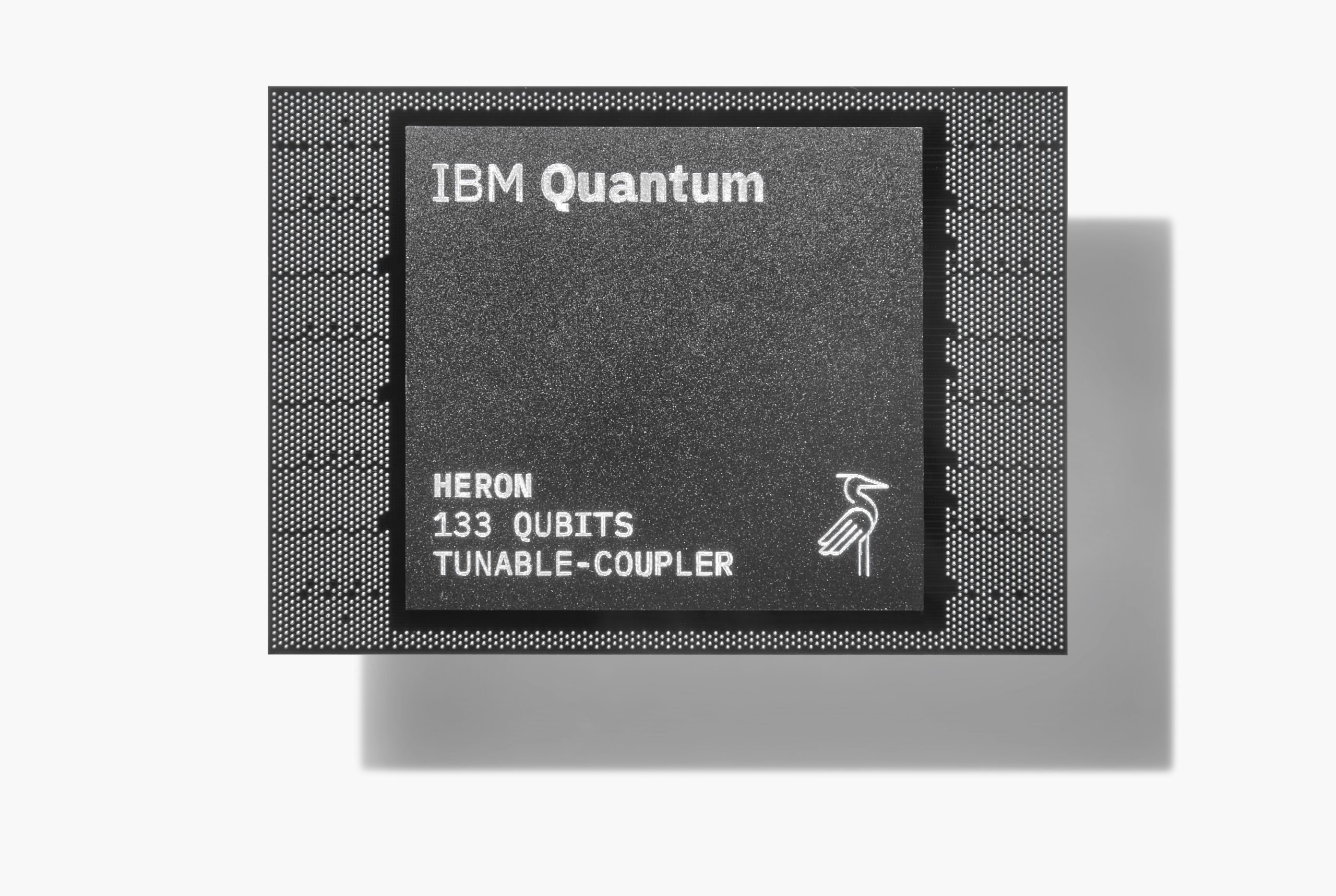
The framework was validated on IBM's 156-qubit Heron r2 processor, running over 100 test circuits across 17 different quantum algorithm families. It achieved 89.5% effective accuracy (with a 95% confidence interval of ±5.9%), and adopted a prudent safety posture: rather than forcing low-confidence decisions, it flagged 14.3% of ambiguous cases for human review.
Practical Insights#
The work surfaces specific diagnostic blind spots. For instance, it successfully resolves confusion between correct Grover search amplification and bug-induced signal collapse—a distinction that is intuitive to understand but empirically subtle. Equally important, the research identifies a fundamental weakness of single-basis measurement: phase-flip errors remain statistically invisible when measuring only in the computational (Z) basis, limiting what any diagnostic can infer from that data alone.