Autonomous Vehicles
Rivian's Self-Driving Bet Enters Critical Phase as It Balances Autonomy and Mass-Market Production
The automaker is wagering heavily on autonomous technology to compete with Tesla and Waymo, but deploying point-to-point driving while scaling up the R2 SUV presents a high-stakes test of its strategic vision.

1/2
The Verge
Rivian is placing an enormous bet on becoming a full-stack autonomous driving company—and the next two years will reveal whether that gamble pays off or becomes a costly distraction from the automaker's core business.
During its recent earnings call, CEO RJ Scaringe devoted substantial time to discussing the company's self-driving ambitions, emphasizing autonomy as central to Rivian's long-term strategy. The company plans to roll out its point-to-point hands-free driving capability to employees for testing in 2026, followed by a customer release in 2027. By 2028, Rivian expects to launch robotaxi vehicles alongside Uber. This aggressive timeline will test whether the company can execute on technology while simultaneously ramping up production of its mass-market R2 SUV.
An Uphill Battle Against Entrenched Competitors#
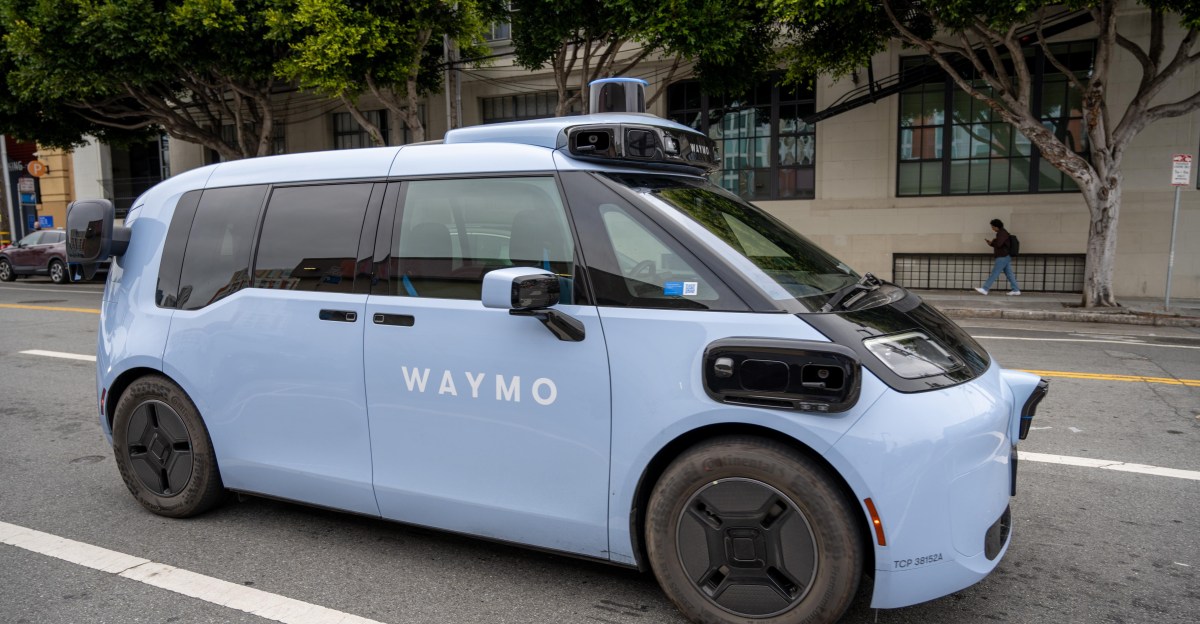
Rivian faces formidable headwinds. Tesla's Full Self-Driving (Supervised) already operates across roughly 1.7 million active customer vehicles, giving the market leader a substantial advantage. Waymo, too, operates an established robotaxi service. To compete, Rivian is building custom silicon chips, purchasing expensive lidar sensors, and investing heavily in AI computing infrastructure—expenditures that could strain finances while the company struggles to achieve profitable scale on the R2.
The financial pressure is real. Rivian has cautioned that adding multiple processors and lidar sensors to certain R2 models could compress margins on a vehicle the company hoped would deliver volume-based profits. Rising costs for computer chips and memory add further pressure. Yet abandoning the autonomy race wasn't an option—sitting on the sidelines would cede leadership to better-positioned competitors.
Early Signs and Unproven Claims#
Scaringe has been testing the point-to-point system during his daily commute and described the experience as "wonderful," suggesting internal confidence in the technology. He indicated the feature could become a significant driver of customer demand as awareness spreads. However, concrete metrics remain elusive. When pressed on the take rate for Rivian's Autonomy Plus package—the percentage of buyers subscribing to the software—Scaringe declined to disclose specific figures, only noting that uptake "exceeded expectations."
Rivian's software and subscription revenue tells a more complete story. The division generated $605 million in Q3 2026, up 45 percent year over year, with a 42 percent profit margin and $256 million in operating profit. By contrast, Tesla reported that over 75 percent of new buyers in North America opted for FSD during the same period, illustrating the gap Rivian must close.