Quantum Computing
Quantum computing's qubit diversity widens as rival platforms race to scale
Multiple quantum computing approaches—from quantum dots to diamond defects—are advancing simultaneously, each claiming superior scaling potential despite vastly different maturity levels.

Ars Technica
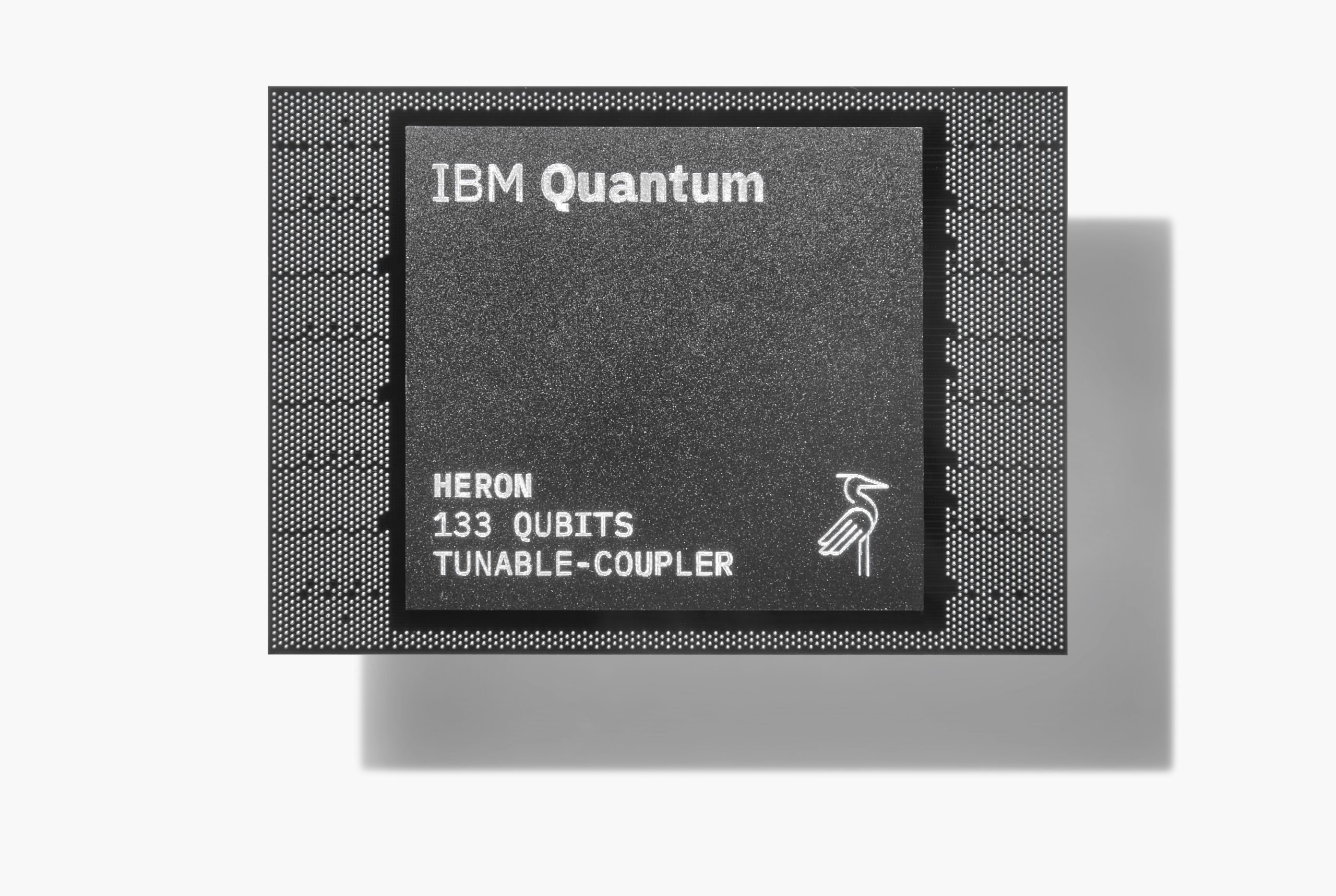
The quantum computing landscape has become a crowded field of competing technologies, all competing for the same end goal: building systems with enough high-quality qubits to perform meaningful calculations. Each platform—whether based on atoms, ions, photons, electrons, or purpose-built devices—has attracted investment from companies betting their approach will ultimately win out.
The scaling question#
A central point of contention in quantum hardware is scalability. The more qubits a system can reliably control, the more complex the computations it can perform. Some quantum platforms have already demonstrated thousands of qubits, while others remain in the early stages with only dozens. However, smaller competitors aren't discouraged; they argue their approach offers superior scaling potential that will eventually surpass the current leaders.
Quantum dots gain momentum#
Recent advances are spotlighting quantum dot technology, which uses individual electrons trapped in manufactured structures—devices that can potentially leverage the same fabrication techniques used to build conventional computer chips. This compatibility with existing semiconductor manufacturing is seen as a potential breakthrough for scaling. Two significant announcements emerged this week featuring quantum dot platforms, with one proving compelling enough for IBM to acquire the underlying company.
Emerging alternatives#
Meanwhile, separate research is showcasing alternative electron-trapping methods. A company recently unveiled a processor holding 100 individual electrons within diamond defects, a technique previously uncertain about its scaling capabilities. This dual track of development reflects the field's current uncertainty: no single winning design has yet emerged.
For the latest on quantum computing breakthroughs, see Ars Technica's full report.