Transportation
Waymo Joins Visa to Give Riders Credits for Combining Robotaxis With Public Transit
The autonomous vehicle company is deploying a new cash-back incentive to encourage Bay Area commuters to use self-driving cars as connectors to buses and trains.

The Verge
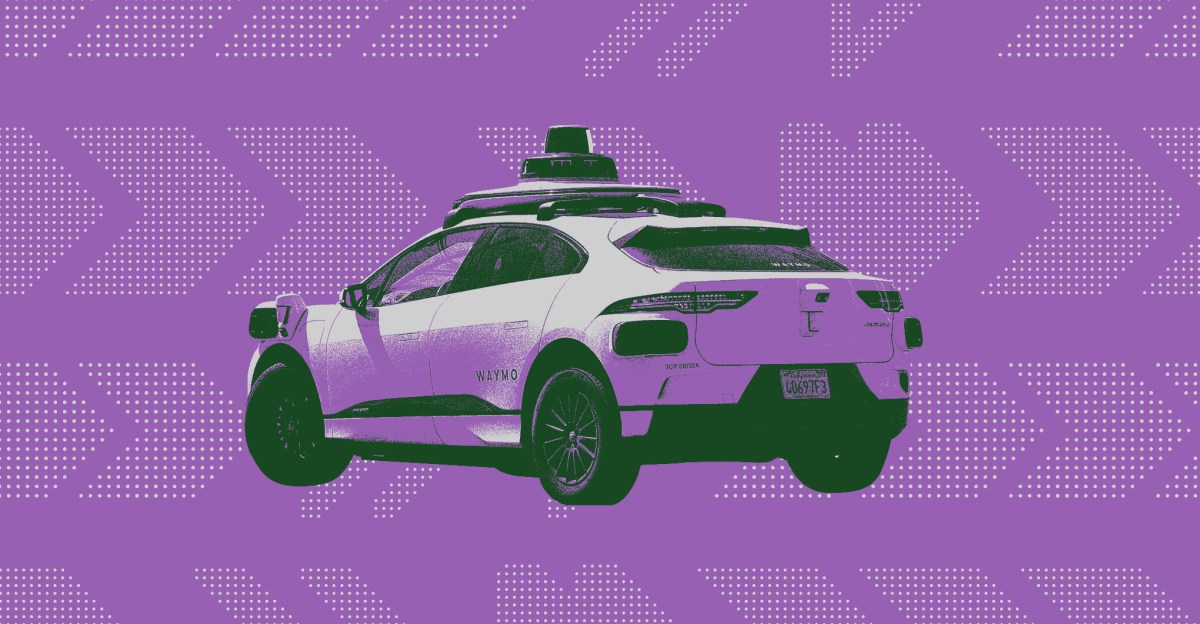
Waymo and Visa have partnered on a fresh incentive to steer more riders toward combining autonomous vehicle trips with public transportation. Starting in the San Francisco Bay Area, customers who link a Visa card to their Waymo account will receive a $2.85 credit whenever they book a robotaxi and use transit—such as BART, Caltrain, or local buses—within a two-hour window.
How the Incentive Works#
The new reward operates on a simple premise: if you tap your Visa card for both a Waymo ride and a transit fare within 120 minutes, the credit materializes automatically in your Waymo wallet for future trips. Visa's involvement solves a technical challenge Waymo faced in earlier versions of this program—the payment-card company can verify when customers have completed both journeys in close succession, removing the need for manual claim submission.
The structure mirrors San Francisco's regional transit benefit through the SFMTA's Clipper card tap-to-pay system, which already offers discounts to passengers switching between buses, light rail, and subway lines.
A Familiar Strategy With New Branding#
This is not Waymo's first venture into transit incentives. The company ran comparable pilot programs in San Francisco in 2024 and Los Angeles in 2025, offering modest credits to encourage multimodal trips. The Visa partnership represents an evolution—tapping financial infrastructure to automate eligibility tracking and potentially expand the offer's reach.
Alphabet's autonomous unit is also rolling out dedicated pickup zones for Waymo at Caltrain stations, aiming to cut wait times for commuters boarding or alighting from trains. Both initiatives are slated for gradual expansion beyond the Bay Area.
The Larger Debate#
Waymo frames the partnership as evidence of its commitment to urban mobility networks. However, transportation researchers remain skeptical. Many warn that robotaxis could cannibalize bus and train ridership, particularly among cost-conscious commuters, potentially triggering service reductions. Others note that riders overwhelmingly prefer direct, door-to-door trips over multi-leg journeys, and that autonomous fleets themselves contribute to congestion even as they claim to solve it.
To counter this narrative, Waymo points to internal surveys suggesting over half of its riders in major cities also use conventional transit, positioning robotaxis as complements rather than competitors. Yet critics argue this framing obscures how shared mobility could gradually undermine the financial viability of the public systems it claims to support.