Transportation
Robotaxi Expansion Sparks Fierce Regulatory Battles Across U.S. Cities
As autonomous ride services grow rapidly, cities and labor groups are fighting back with new rules, restrictions, and safety requirements.

The Verge
Autonomous vehicle operators are hitting the road faster than the regulatory frameworks designed to govern them. The result is a patchwork of conflicts—from New York to San Francisco to Washington, DC—where mayors, labor unions, and safety advocates are racing to establish guardrails before robotaxi fleets become too large to control.
The Rollout Outpaces the Rules#
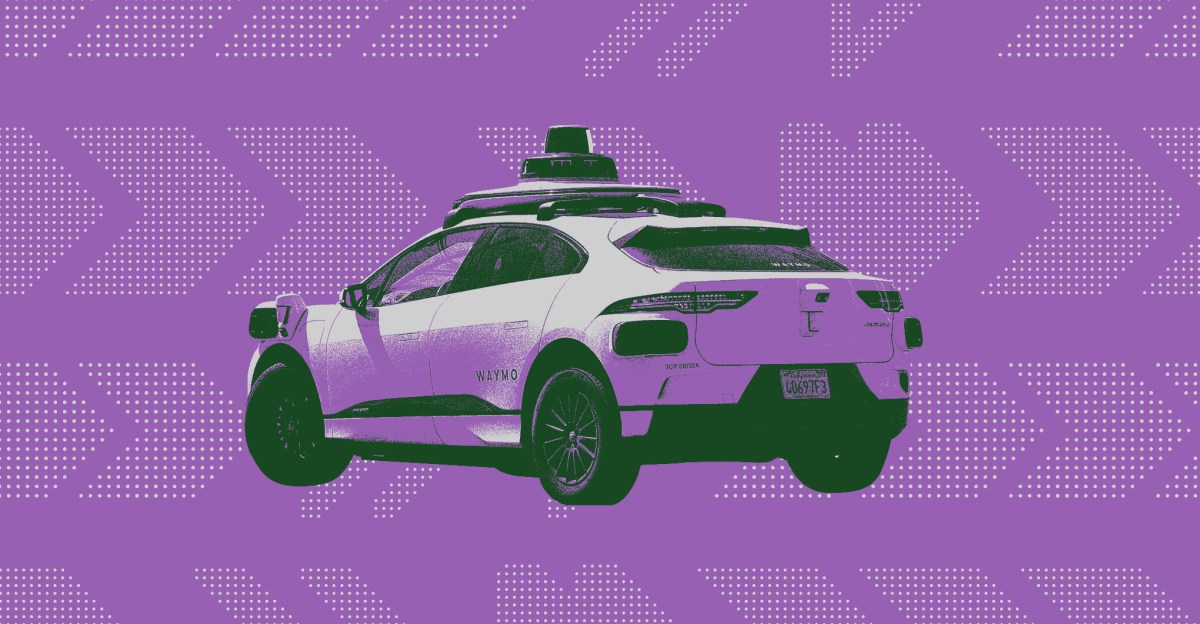
Robotaxis have moved from concept to commerce with startling speed. Waymo, the market leader, now operates more than 3,500 vehicles across 11 U.S. cities, providing over 500,000 paid rides weekly. Amazon-owned Zoox recently launched paid service in Las Vegas and continues testing a purpose-built, steering-wheel-free vehicle across 10 cities. Tesla is expanding its unsupervised robotaxi fleet and plans to launch its Cybercab later this year.
Yet this rapid expansion has triggered political pushback nationwide. In New York, Governor Kathy Hochul withdrew a proposal to allow driverless service outside New York City after taxi drivers and unions mounted fierce opposition—leaving the state without legal commercial driverless rides. San Francisco Mayor Daniel Lurie, once a robotaxi cheerleader, is calling for tougher regulations after Waymos blocked traffic during emergencies. Washington, DC City Council held a grueling 10-hour hearing on proposed robotaxi rules, with unions fighting legalization.
Federal regulators are also escalating scrutiny. The Trump administration's National Highway Traffic Safety Administration recently warned that vehicles unable to safely interact with first responders endanger the public. California police can now formally cite autonomous vehicles for traffic violations.
What Critics Are Demanding#
Safety advocates and labor groups have staked out specific demands to manage robotaxi growth. SAVE-US, a nonprofit pushing for stricter state AV laws, wants companies to prove safety with small fleets before expanding, share ongoing safety data, and rely on multiple sensor types rather than cameras alone. The group also opposes marketing terms like "Full Self-Driving" for systems that still require human oversight.
Senator Ed Markey (D-MA), a vocal AV skeptic, frames the current state of oversight as deeply unsatisfying: "Right now, our regulatory structure amounts to this: we hope they're telling the truth." He has requiring companies to regularly report safety data.