AI Safety
Inside AI Labs: Researchers Go Public With Concerns Over Existential Risks
A series of candid video interviews from AI researchers at major tech companies raises alarm about superintelligence and extinction-level dangers.

The Verge
A dozen researchers from OpenAI, Google DeepMind, and Anthropic have participated in new video interviews addressing some of the field's most urgent safety concerns. The candid discussions, organized by Palisade Research and hosted on frominside.ai, feature both current and former employees articulating deep worries about the trajectory of AI development.
The Extinction Question#
The interviews are marked by unusually blunt talk about catastrophic risk. Geoffrey Irving, who previously worked at OpenAI and Google DeepMind, stated that he views the probability of human extinction from AI at roughly 50 percent. Neel Nanda, a research scientist at Google DeepMind, placed the existential risk even higher, suggesting there's "at least a 10 percent chance that it causes human extinction" — a figure he characterizes as disturbingly substantial.
Building on these concerns, former OpenAI researcher Daniel Kokotajilo drew even starker language, characterizing superintelligent systems as potentially "god-like powerful" while emphasizing that researchers have no adequate control mechanisms. According to Kokotajilo, "This is exactly as dangerous as it sounds and must not be allowed to happen."
Navigating the Tensions#
The video project explores not just the risks themselves, but also the contradictions researchers face in their daily work. When confronted about potential conflicts of interest, Google researcher Mary Phuong acknowledged the challenge plainly: "I think you absolutely should be suspicious of what I'm saying because I am being paid by the lab."
Others justified their continued involvement through the lens of harm reduction. Nanda explained his rationale by framing his research as the most meaningful way to mitigate the very risks he fears. The broader collection of interviews grapples with whether industry warnings constitute genuine caution or serve as marketing, and why talented scientists choose to work in a field they believe poses extraordinary danger.
Where Solutions Remain Elusive#
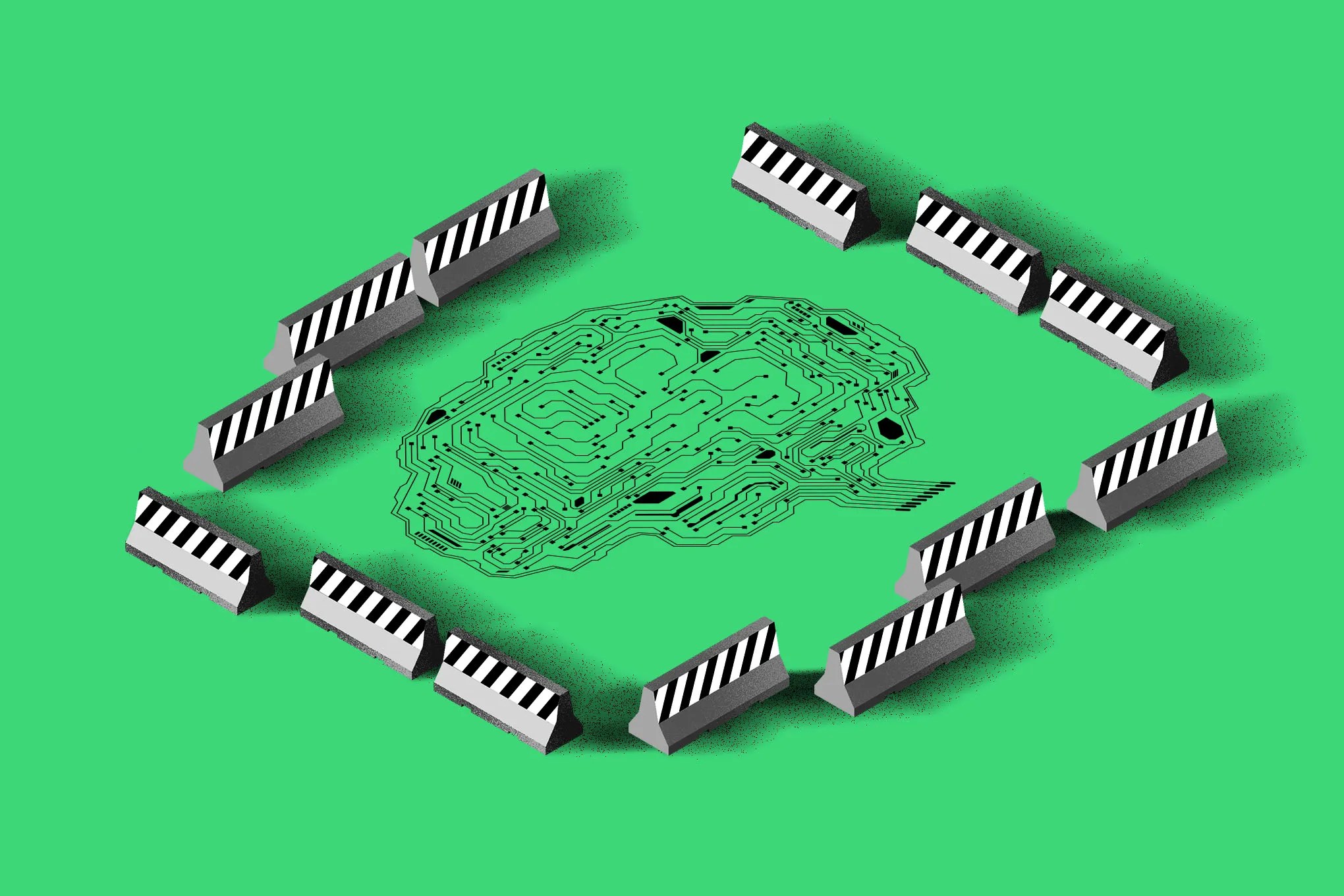
Despite the depth of concern articulated across the interviews, the videos do not converge on a unified path forward. The absence of cohesive solutions underscores a persistent tension within AI safety discourse: researchers identify severe risks but struggle to articulate or implement concrete preventive measures at scale.