Technology Policy
Trump administration's sweeping foreign gadget bans expand to drones, routers, and robot vacuums with little security evidence
The FCC is blocking Chinese-made consumer electronics from entering the US in the absence of public justification, while waiving rules inconsistently for competitors.

The Verge
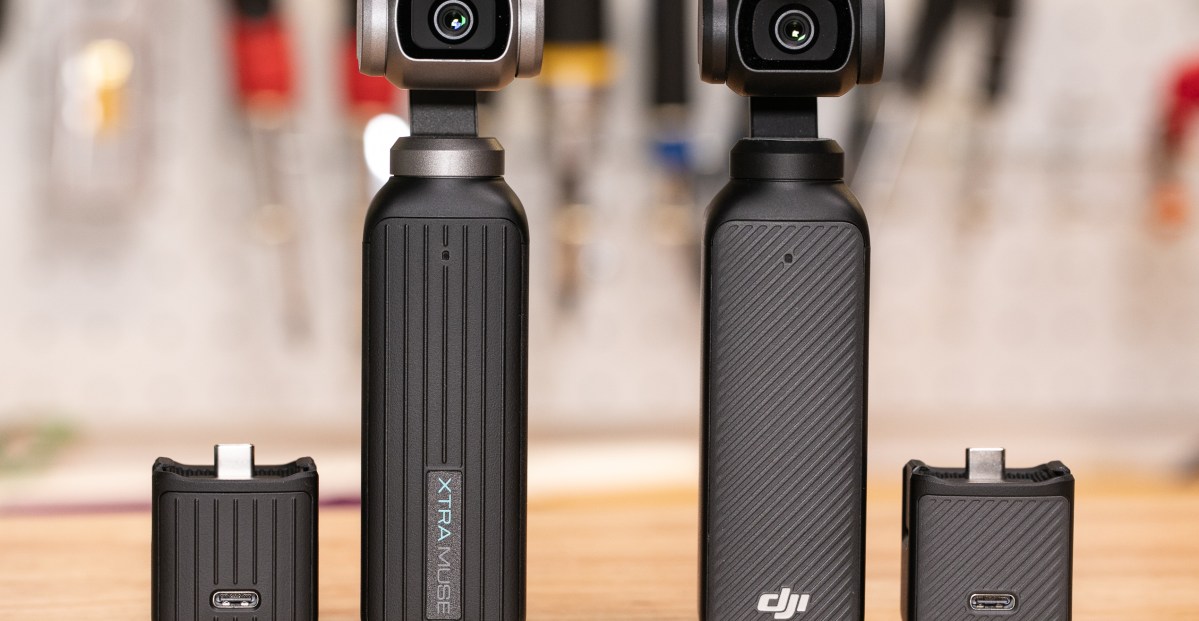
The US government is moving to restrict the import of Chinese consumer electronics—from aerial devices to home network equipment—citing national security concerns, though it has disclosed no concrete evidence of actual threats. Starting in late 2025, the Federal Communications Commission has rolled out successive bans on foreign-made drones, routers, robots, and robotic vacuums without explaining the specific risks they pose.
The widening scope of restrictions#
What began as targeted scrutiny of telecom infrastructure providers like Huawei and ZTE—a concern spanning more than a decade—has evolved into broad categorical prohibitions on entire classes of consumer hardware. The administration's approach requires manufacturers to either obtain a waiver or demonstrate a commitment to US-based production to sell their goods domestically. The issue is that most consumer gadgets, including routers and drones, are manufactured overseas—a reality true even for major American brands like Apple and Dell.
Inconsistent enforcement and waiver decisions#
The approval process has raised questions about fairness and transparency. Competitors Netgear and Asus received blanket exemptions for all new router models without publicly disclosing US manufacturing plans, despite FCC rules requiring such commitments. Meanwhile, TP-Link, facing skepticism possibly tied to geopolitical concerns, is pledging nearly $1 billion to establish domestic router production to secure approval. Taiwan-based MSI secured only conditional clearance for two specific router models, illustrating the selective nature of the decision-making.
The router waiver framework has also revealed other puzzles. Security agencies forwarded sealed Pentagon letters to 16 members of Congress without publicly revealing the alleged threats. No government agency has published evidence that routers, drones, or robovacs pose the dangers claimed.
Enforcement gaps and loopholes#
Complicating the crackdown is the reality that many banned products already inside US borders remain available through secondary marketplaces like eBay, Amazon, and Temu. Journalists have documented purchasing restricted devices with fast shipping and no enforcement action. The FCC is exploring rules requiring online platforms to validate device authorization status before listing—though sellers like Etsy are requesting exemptions for small merchants.
Companies are also testing regulatory boundaries. HoverAir is marketing its latest product as a camera with optional propeller attachments rather than a drone, attempting to circumvent drone-specific restrictions. The FCC revoked authorization for the product after investigative reporting exposed companies using shell operations to skirt bans, including one called Odyssey Robot that allegedly operated empty offices while submitting false applications.