Space Technology
FCC Approves Space Mirror Satellite Despite Warnings of Eye Damage and Astronomy Destruction
Reflect Orbital's plan to launch thousands of orbital mirrors for on-demand sunlight has drawn fierce criticism from astronomers and safety experts who warn of catastrophic impacts on ground-based astronomy and potential permanent eye injuries.

The Verge
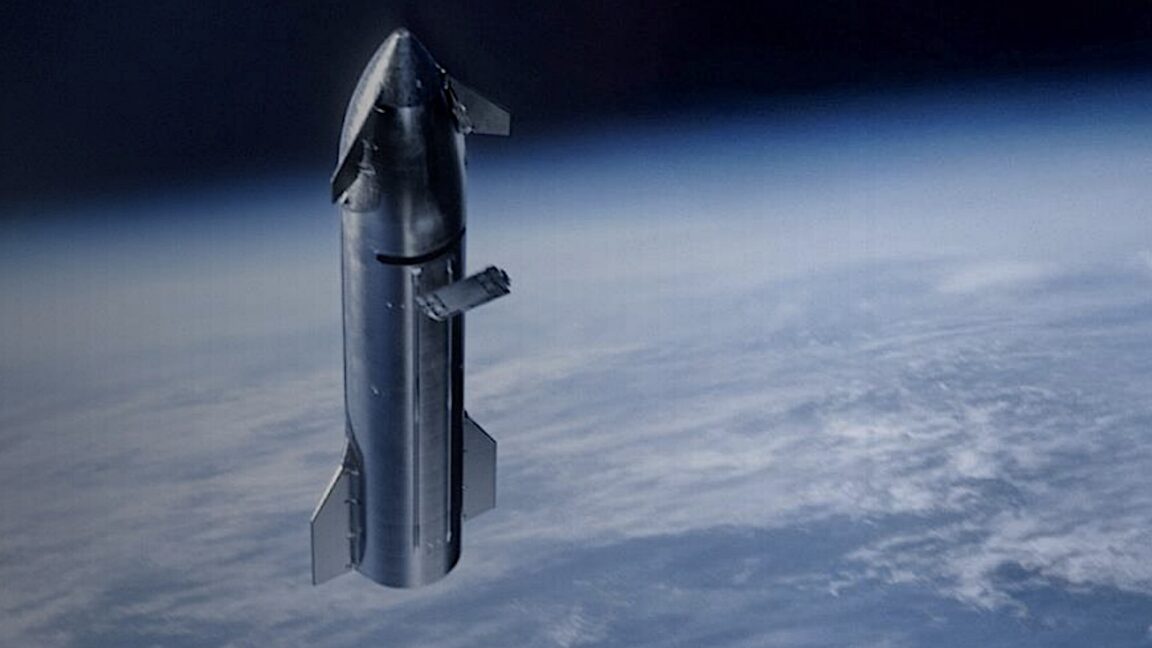
California-based Reflect Orbital has won Federal Communications Commission approval to test a space mirror satellite called Eärendil-1, marking the latest push to realize a century-old concept: positioning reflective surfaces in orbit to beam sunlight to Earth's surface on demand. The company envisions eventually deploying up to 50,000 such satellites to provide illumination and solar energy to cities, farms, and emergency responders around the clock.
Yet the plan has triggered alarm from the astronomical community and safety advocates, who contend that the risks—from obstructing scientific observations to inflicting eye damage on unsuspecting observers—far outweigh the promised benefits.
The Technology and Its Intended Uses#
The 18-square-meter test satellite will generate what Reflect Orbital says will be a 5-kilometer beam of concentrated sunlight. The company intends to market this capability to businesses and municipalities for nighttime street lighting, accelerated construction work, agricultural enhancement, search-and-rescue operations, and renewable energy generation.
The notion itself is not new. Soviet scientists experimented with the Znamya project during the 1990s using this same principle.
Brightness and Visibility Concerns#
Independent estimates suggest the test satellite will shine as brightly as Venus when viewed outside its beam, and approximately four times brighter than the Moon within the illuminated zone. Those estimates place the satellite among the brightest objects visible in the night sky—raising immediate concerns about unintended consequences.
Roohi Dalal, deputy director for public policy at the American Astronomical Society, warned that a full deployment of 50,000 such satellites "is likely the end of ground-based optical astronomy." The accumulated effect of thousands of reflecting objects and the atmospheric scattering they produce could increase nighttime sky brightness by three to four times in affected regions, making it nearly impossible to detect distant galaxies or track near-Earth asteroids using ground telescopes.
Safety Risks to Humans and Wildlife#
Beyond astronomy, light pollution degrades human sleep cycles, harms ecosystems, and disrupts migration patterns in birds and other wildlife.
But space mirrors present a distinct danger: Reflect Orbital has acknowledged to the FCC that observing a single satellite through a 12-inch amateur telescope—a size "quite common" among amateur astronomers, according to Dalal—could cause permanent eye damage. Experts have raised comparisons to the danger of viewing the Sun during a total solar eclipse. The company has offered no public disclosure plan about when and where its light beam will operate, leaving amateur astronomers unaware they may face this hazard.