Space
Northrop Grumman's Advanced Robotic Satellite Launches on Year-Long Journey to Geosynchronous Orbit
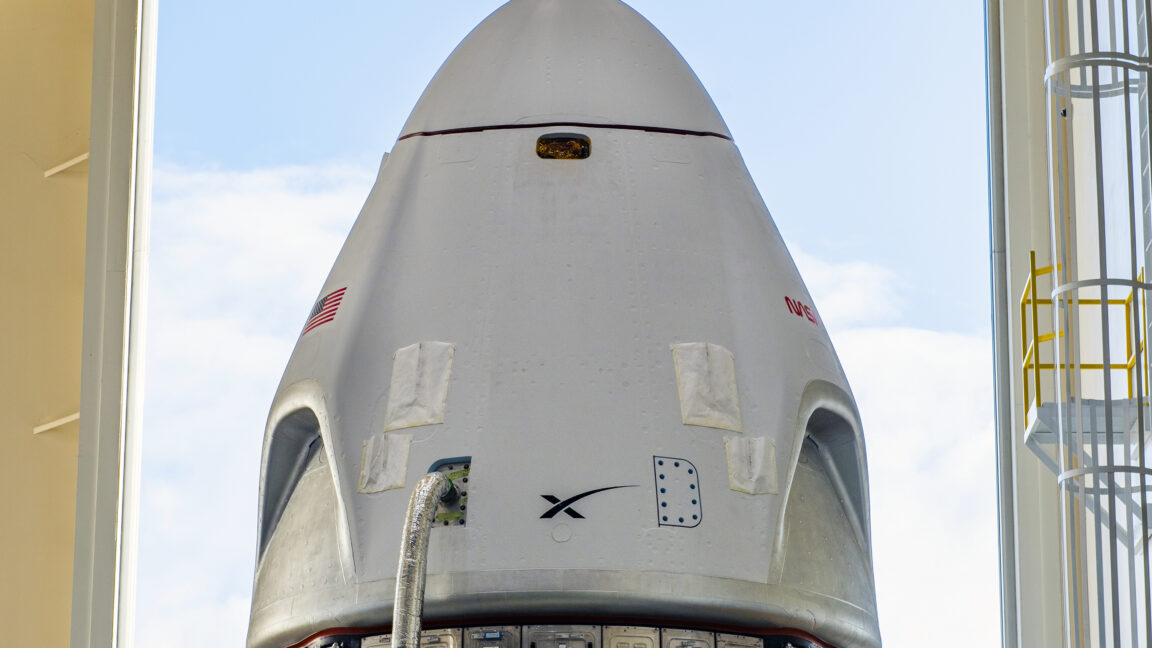
A twin-armed spacecraft designed to service satellites in high orbit has deployed from a SpaceX rocket, marking a significant step forward in orbital servicing capabilities.

Ars Technica
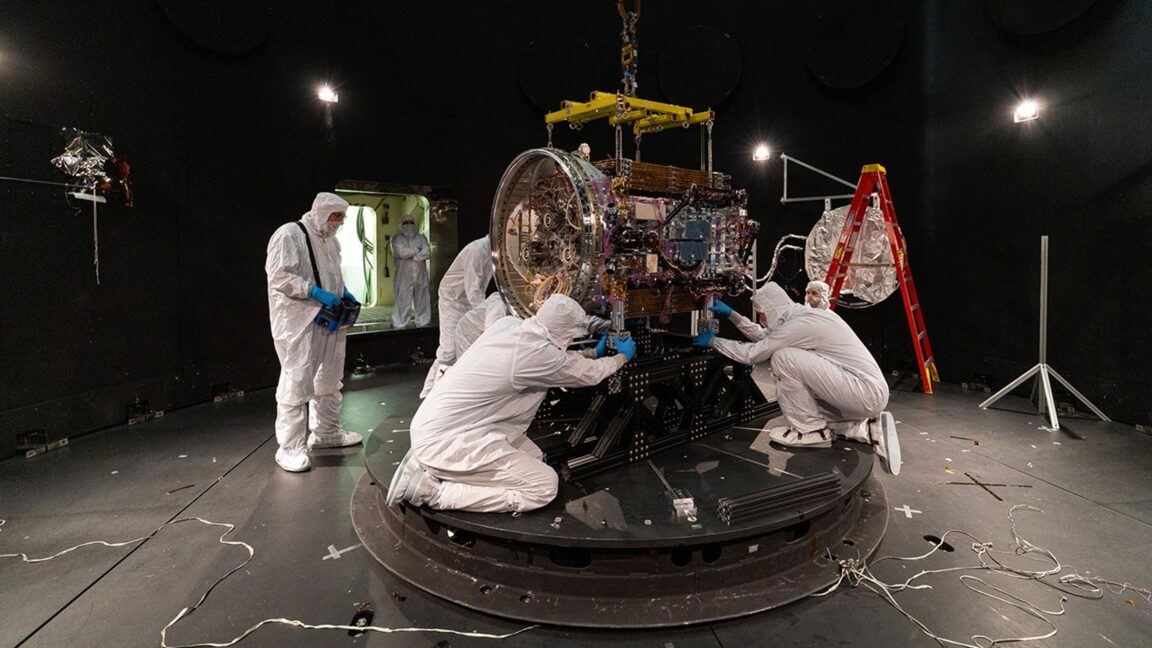
Northrop Grumman's Mission Robotic Vehicle (MRV)—a spacecraft equipped with dual robotic arms—blasted off from Cape Canaveral on a SpaceX Falcon 9 rocket this week, beginning what company officials envision as a ten-year operational window for maintaining and refueling satellites in deep space.
The MRV launched alongside three separate propulsion units, collectively known as Mission Extension Pods (MEPs), each capable of independent operation. All four spacecraft separated from the rocket within roughly 60 minutes of liftoff, though they face an extended orbital maneuvering phase ahead.
The Long Road to Geosynchronous Orbit#
During the coming year, the MRV and its companion pods will gradually climb from their initial elliptical trajectory into a circular path positioned over 22,000 miles above the equator. This geosynchronous altitude places them in the same orbital zone that hosts the bulk of global communications infrastructure, early-warning missile systems, and an expanding constellation of surveillance platforms.
At this high orbit, the spacecraft will move in perfect synchronization with Earth's rotation—stationary relative to a fixed ground location—giving them unique opportunities to service neighboring satellites that might otherwise be unreachable.
Competing International Capabilities#
The MRV represents the most capable satellite servicing platform disclosed publicly, though it's not the first system of its kind. China deployed a robotic-armed satellite to geosynchronous orbit in 2016, following up with the Shijian-21 (SJ-21) spacecraft in 2021. That mission demonstrated debris-mitigation capabilities by rendezvous with an inoperative Chinese navigation satellite, boosting it to a higher graveyard orbit.
More recently, China's SJ-25 refueling spacecraft conducted what appears to be the first orbital propellant-transfer demonstration at geosynchronous altitude in early 2025, connecting with SJ-21 and transferring fuel to extend its operational lifespan. The refueled platform now holds the capability to visit and reposition additional aging satellites within the same orbital shell.