Space
Canadarm2 Stops Responding After Routine Maneuver on Space Station
NASA is troubleshooting a mobility loss in the International Space Station's iconic 58-foot robotic arm, which has exceeded its design life by over a decade.

Ars Technica
The International Space Station's massive robotic arm has become unresponsive following a standard operational maneuver, leaving ground controllers unable to move either the arm itself or the mobile platform that guides it along the station's truss structure.
The issue emerged after astronauts aboard the orbiting laboratory conducted a routine "walk-off" procedure with Canadarm2 on Sunday evening. Engineers are currently investigating whether the failure stems from a software glitch, data corruption, or a hardware malfunction in either the arm or its transport carriage. NASA has not yet released details on the investigation's progress.
A Workhorse Past Its Prime#
Canadarm2, built by Canadian space company MDA, arrived at the station in April 2001 aboard Space Shuttle Endeavour. The 58-foot appendage stands out as a remarkable feat of engineering—its symmetrical design allows it to "walk" across the station's exterior like an inchworm, with both ends functioning identically.
The arm tips the scales at nearly two metric tons and can manipulate objects weighing up to 116 tons, making it invaluable for station operations. Notably, it was built with a nominal lifespan of just 15 years, yet it continues operating more than a decade beyond that original timeline.
Critical Role in Cargo Operations#
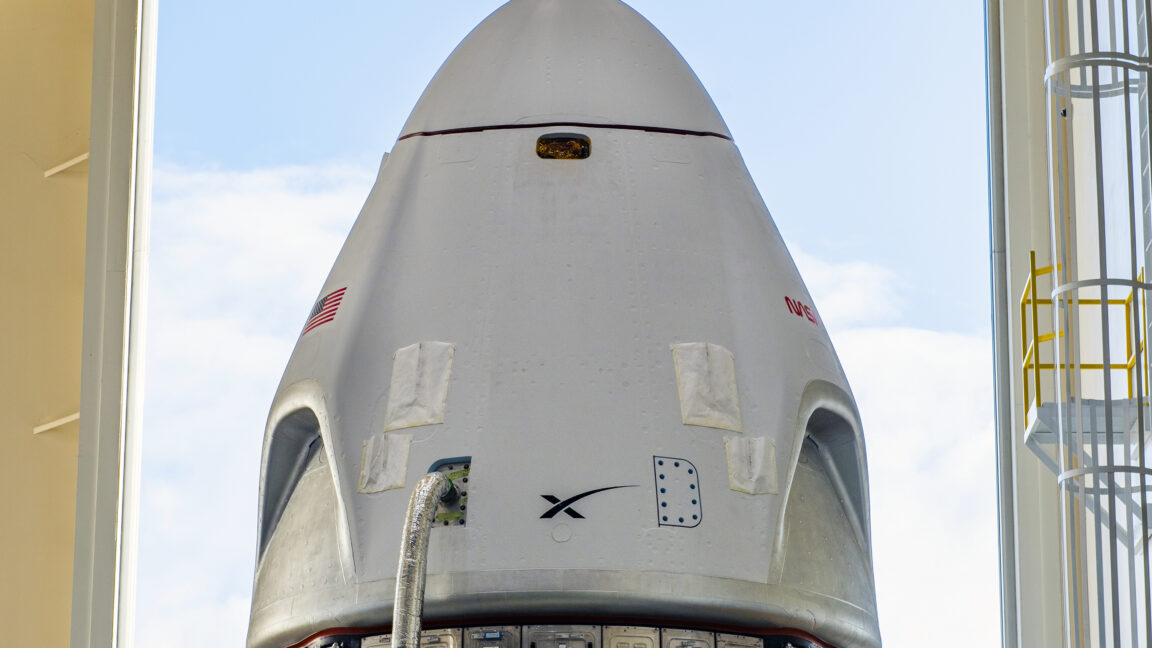
For most of its operational history, Canadarm2 has been instrumental in receiving supplies to the station. The arm was specifically designed to intercept and grapple cargo vehicles—including SpaceX's Dragon, Northrop's Cygnus, and Japan's HTV-X craft—as they approach the station, then guide them safely into docking berths for unloading.